
Workflows · Guide
Meeting notes become useful when actions have owners
Design a reviewable handoff from discussion to task rather than treating every sentence as a commitment.

Distinguish decisions from possibilities
An illustrative project meeting includes suggestions, objections, and tentative dates. A summary can sound decisive even when the group reached no agreement. Before automating task creation, define the difference between a decision, an open question, and a proposed action. Agree on recording permissions and what source material may be retained before collecting meeting content.
Create proposed tasks
Each proposed task should contain an action, owner, due-date status, and a short source reference. Unknown owners or dates must remain unknown. Show the relevant discussion to the proposed owner and let them accept, edit, or decline. Do not turn a person mentioned in conversation into the accountable owner merely because their name appears close to the action.
Workflow at a glance
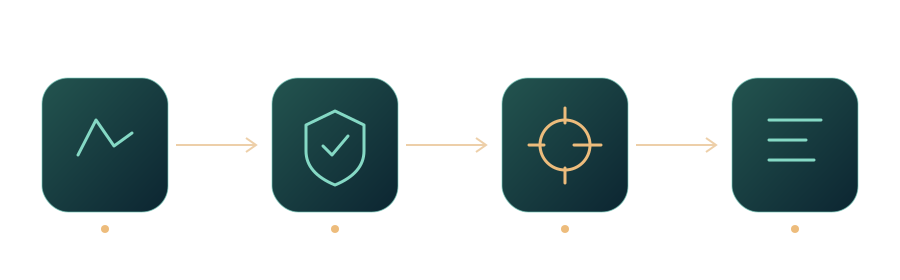
Control the write boundary
Keep the first pilot in a proposal queue. After approval, create tasks using stable meeting and action identifiers so a replay does not multiply assignments. A correction to the notes should create a visible amendment, not erase who accepted the earlier version. The team needs one place to see what actually became work.
Look for closure, not summary volume
Evaluate accepted tasks, owner corrections, and unresolved questions carried into the next meeting. Compare total coordination time, including cleaning up mistaken tasks. Use approval-workflow documentation as an implementation reference, not as evidence that meeting interpretation is accurate. If staff spend more time disputing assignments, improve the decision vocabulary before changing the model.
A practical next step
Use an approved meeting extract containing a suggestion, a decision, and a rejected proposal. Have two colleagues label them independently before testing AI. Resolve disagreements in the operating guide. Keep the agreed examples with task-creation rules so the system does not turn mere proximity of a person’s name into ownership.
Sources and further reading
- Create and test an approval workflow with Power AutomateCreate and test an approval workflow with Power AutomateMicrosoft Learn · Documentation ·
- The Events APIThe Events APISlack Developer Docs · Documentation ·
Editorial approach
AI-assisted original writing, checked against linked public sources. Practical recommendations and illustrative scenarios are editorial analysis, not reported client results. Source dates and product details may differ from this collection’s preparation date.