
Workflows · Guide
Chinese localization is a workflow decision, not a character conversion
Keep data, actions, and user choice stable while adapting regional vocabulary.

Separate script, region, and intent
A bilingual internal app may need Simplified Chinese plus Traditional Chinese for Taiwan, Hong Kong, and Macao. W3C language-tag guidance distinguishes language, script, and region. That gives the application a useful vocabulary, but it does not decide which business term users understand. Ask staff what an approval, request, or client-registration state means in their daily work.
Keep identifiers independent of wording
Store status identifiers independently from translated labels. Switching from project to regional wording must not create a second business state. Keep dates, amounts, and time zones structured and format them for display. An illustrative request queue should preserve the selected filter and entered form values when a user changes language.
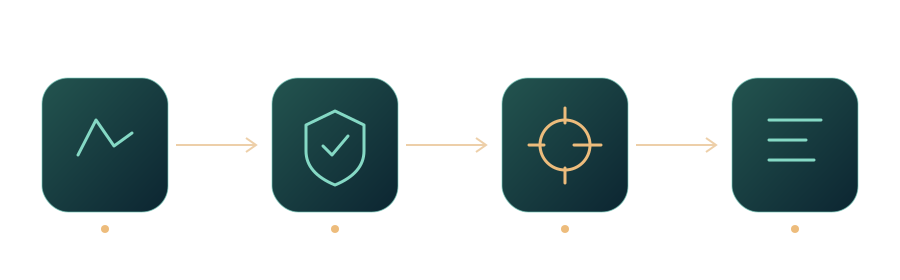
Workflow at a glance
Let the user correct automatic choice
Use browser language preferences as a starting point, not proof of nationality or location. Offer an explicit selector and remember a manual choice. Define how a generic Traditional Chinese preference falls back when no region is supplied. If old saved settings exist, migrate them predictably instead of changing every visitor’s language on each visit.
Review action labels first
Prioritize destructive actions, consent wording, approvals, and validation messages for fluent review. A stylistic mismatch is inconvenient; a misleading action label can change what a user believes they authorized. Test representative regional users with the same tasks and log misunderstandings. Do not infer complete localization quality from a successful character-conversion test.
A practical next step
Ask representative users in each locale what the final approval button will do. Compare their understanding of authority, not their prose preferences. Resolve differences before launch and store the agreed terminology with stable state identifiers. This protects the decision meaning when later translations or regional styles change.
Sources and further reading
- Language tags in HTML and XMLLanguage tags in HTML and XMLW3C Internationalization · Documentation ·
- Labeling ControlsLabeling ControlsW3C WAI · Documentation ·
Editorial approach
AI-assisted original writing, checked against linked public sources. Practical recommendations and illustrative scenarios are editorial analysis, not reported client results. Source dates and product details may differ from this collection’s preparation date.