
Workflows · Analysis
Test the first change request before buying an AI workflow
An extra approval branch reveals the permission, regression, handover, and pricing work hidden behind a successful demo.

Select one likely change
An illustrative services team has seen a request app work in a demonstration. Before choosing a supplier, ask for one realistic change: orders above a threshold need a second approver. This is not a broad product comparison. It is a test of how one purchased workflow evolves after the first release. Define the current behavior, the new rule, and the business reason for it.
Trace the authority change
Ask who may configure the threshold, nominate the second approver, and bypass the rule during absence. Check whether existing permissions automatically grant new powers. A visible button is not proof that server-side authorization changed correctly. Test an unauthorized employee and an approver from another team, using synthetic records that disclose no customer information.
Workflow at a glance
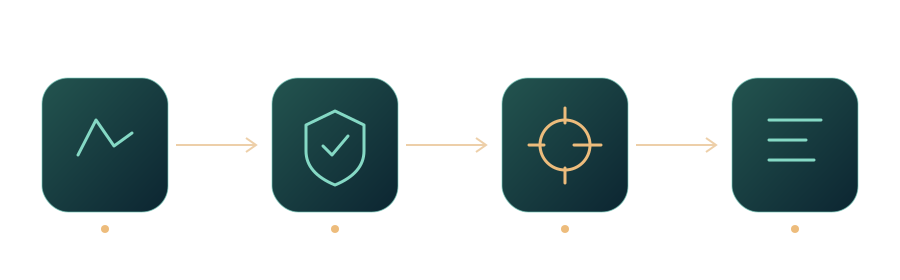
Handle requests already in flight
Decide whether the new rule applies to requests waiting for approval, only to future submissions, or to a selected migration group. Record the decision and show users which version governs their request. Reopening every completed item is rarely a harmless default. The supplier should explain how old decisions remain traceable and how conflicting updates are reconciled.
Run regression and rollback
Repeat a normal request, a rejected request, a reassigned approval, and a request changed after its first approval. Confirm that notifications and reporting still reflect the right state. Demonstrate returning to the previous rule without losing history. Count operator work and exceptions; a configuration edit that takes seconds may create hours of reconciliation elsewhere.
Agree on change ownership and cost
Ask what support includes, who maintains the new branch, and which future edits need a new quotation. Save the test and acceptance note with the operating guide. This exercise exposes lifecycle responsibility before purchase without claiming that one supplier category is always best. The outcome is a clearer agreement about a particular change, not a general promise of unlimited customization.
Sources and further reading
- Generative AI lifecycle — Generative AI LensGenerative AI lifecycle — Generative AI LensAmazon Web Services · Documentation ·
- Exploring Practical Use Cases for Generative AI in Small BusinessesExploring Practical Use Cases for Generative AI in Small BusinessesAWS Smart Business Blog · News ·
Editorial approach
AI-assisted original writing, checked against linked public sources. Practical recommendations and illustrative scenarios are editorial analysis, not reported client results. Source dates and product details may differ from this collection’s preparation date.