
Operations · Guide
A dead-letter queue needs an owner and a replay plan
Quarantining failed work is only useful when someone can diagnose and resolve it.

A parking area is not recovery
An illustrative request system moves repeated failures into a dead-letter queue. The dashboard looks healthier because the main queue is clear, while customer work is forgotten elsewhere. AWS SQS documents this failure-isolation mechanism. Our recommendation is to treat every parked item as unresolved business work with a named owner, due time, and reason. Queue depth is useful, but the oldest affected customer request is often the more urgent operational signal.
Preserve enough diagnosis context
Store an operation reference, safe error class, attempt history, and configuration version. Keep sensitive payload access restricted and time-bound. Distinguish bad source data from a broken connector or revoked permission. Each category should suggest a different next step. A support person should be able to decide whether to correct data, restore access, change code, or cancel the request without reading an entire raw conversation.
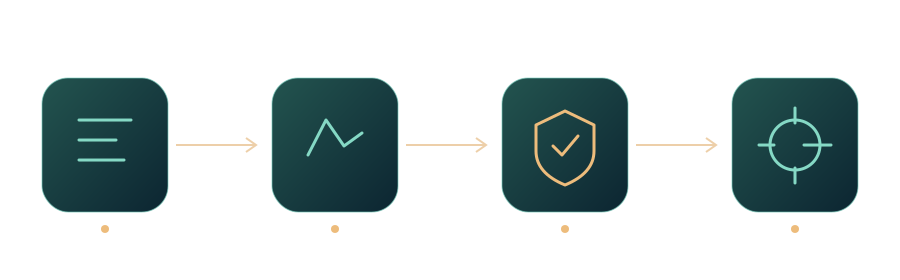
Workflow at a glance
Replay with today’s checks
Before replay, verify that the business action is still wanted, the record has not changed materially, and the current user or service identity remains authorized. Reuse the operation identifier to prevent a replay from becoming a new order. Test one item before a large redrive. Some ordered workflows need special handling because moving work around can change meaning; do not assume a queue replay preserves business ordering automatically.
Close the learning loop
Review resolved items by cause and recurrence. If missing customer numbers dominate, improve intake instead of operating a permanent repair team. If provider outages dominate, reconsider retry and fallback design. Agree retention and disposal for the queue itself. A dead-letter mechanism reduces main-path disruption, but without reconciliation and ownership it can hide missed service commitments rather than improve reliability.
Review resolution, not emptiness
Sample closed failed jobs and distinguish completed work, agreed cancellations, and silently discarded requests. Keep a minimal reconciliation report. Queue cleanup should never substitute for a customer outcome; a canceled item needs a reason and owner rather than being counted as successful processing.
Sources and further reading
- Using dead-letter queues in Amazon SQSUsing dead-letter queues in Amazon SQSAWS · Documentation ·
- Making retries safe with idempotent APIsMaking retries safe with idempotent APIsAWS · Documentation ·
Editorial approach
AI-assisted original writing, checked against linked public sources. Practical recommendations and illustrative scenarios are editorial analysis, not reported client results. Source dates and product details may differ from this collection’s preparation date.