
Strategy · Analysis
AI readiness is a set of conditions, not a trophy score
Use readiness checks to identify the next constraint rather than rank your business.

Use the tool as a conversation
The OECD SME readiness tool is explicitly presented as a pilot resource. A profile can prompt useful questions, but it is not certification that an implementation will succeed. Bring the output to an operating discussion: which workflow has usable examples, an accessible owner, and a review path? Those details are more actionable than treating a maturity label as a purchasing instruction.
Separate company and workflow readiness
A company may have strong IT controls but poorly documented intake practices. Another may have a small technology team yet a highly repeatable reporting task. Evaluate the proposed workflow separately from the organization-wide picture. In an illustrative consultancy, one approved template and a reliable document owner may make a narrow drafting pilot feasible even while broader data organization remains unfinished.
Workflow at a glance
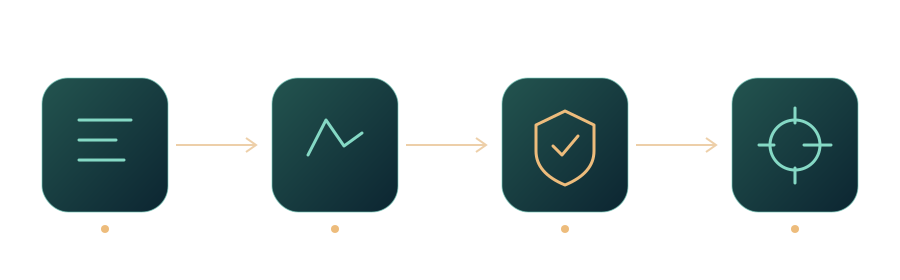
Name the missing condition
Replace vague statements such as insufficient data maturity with a specific blocker: no agreed source for client names, unclear approval authority, or no examples of rejected work. Assign each blocker an owner and an inexpensive test. Some are process problems, not platform problems. Buying more sophisticated software before resolving them can make uncertainty more expensive without making the work more reliable.
Revisit at each boundary
Readiness changes when the system moves from suggestions to actions, from one team to several, or from public documents to confidential records. Reassess at those boundaries instead of running the same survey on a calendar alone. Record what changed and why expansion is justified. This creates a decision history that a simple score cannot provide, and helps avoid claiming permanent readiness after one successful demonstration.
A readiness action card
For each proposed workflow, keep a card containing the missing condition, evidence needed, responsible person, and next decision. A missing data owner might require a conversation; an unavailable integration may require a technical test. Do not give both the same maturity penalty and stop there. The card should turn an abstract diagnosis into a small, accountable action that can be reviewed later.
Sources and further reading
- SME AI Readiness ToolSME AI Readiness ToolOECD · Research source ·
- AI adoption by small and medium-sized enterprisesAI adoption by small and medium-sized enterprisesOECD · Research source ·
Editorial approach
AI-assisted original writing, checked against linked public sources. Practical recommendations and illustrative scenarios are editorial analysis, not reported client results. Source dates and product details may differ from this collection’s preparation date.