
Operations · Guide
Write an AI incident brief that operations staff can use
Explain affected work, safe alternatives, and recovery checks instead of forwarding a model error.

Translate a technical failure into work
In an illustrative intake service, the model provider times out. A raw error code tells the operations team little about which customer requests remain unprocessed. The first brief should identify the workflow, time window, known affected records, and whether any external action may have occurred. Mark unknowns explicitly rather than filling them with a confident explanation.
Provide a bounded alternative
Name the person authorized to pause automation and the manual queue staff should use. Explain which work can continue and which must wait for verification. Keep the instruction brief enough for a busy coordinator to follow. An AI-generated workaround should never bypass the access rules or approvals that apply during normal operation.
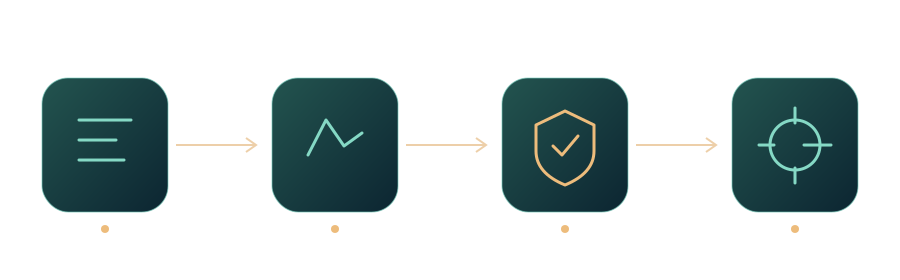
Workflow at a glance
Separate technical recovery from reconciliation
A green service metric does not prove every request completed correctly. Reconcile affected identifiers against source records and downstream results before replaying work. Look for partial writes and duplicate notifications. Monitoring documentation can help collect the signals, but the incident owner must decide when the business ledger is consistent enough to resume.
Close with a concrete prevention task
Publish a concise closure note describing verified impact, recovery evidence, and one owned prevention task. Keep sensitive content out of broad status channels. Track whether the prevention task was completed and tested. The goal is not a perfect narrative; it is a team that can recognize the next failure sooner and continue work safely.
A practical next step
Write a simulated incident note with five lines: workflow, known impact, unknown impact, temporary route, and next update owner. Ask operations staff to explain their next action. If they repeat only the error code, revise the message. Practice in a controlled channel without actual customer content or external recipients.
Sources and further reading
- Monitor bedrock-runtime inference using CloudWatch metricsMonitor bedrock-runtime inference using CloudWatch metricsAmazon Web Services · Documentation ·
- Generative AI lifecycle — Generative AI LensGenerative AI lifecycle — Generative AI LensAmazon Web Services · Documentation ·
Editorial approach
AI-assisted original writing, checked against linked public sources. Practical recommendations and illustrative scenarios are editorial analysis, not reported client results. Source dates and product details may differ from this collection’s preparation date.