
Economics · Guide
What a fixed-scope AI proposal should actually fix
Turn a headline price into a clear agreement about work and acceptance.

Fix the boundary, not every uncertainty
A fixed proposal can define a workflow, user group, integration list, and deliverable without pretending every data issue is known. State the assumptions that make the price possible. For example, the customer provides an approved document set and access to a test system. NIST contextual risk guidance supports explicit operating boundaries; the commercial translation is to make those assumptions visible and testable before work begins.
Define acceptance through examples
Agree on representative examples, expected handling, and what counts as a material error. In an illustrative request-routing pilot, ambiguous requests might correctly enter human review rather than receive a confident classification. Acceptance should test that behavior too. Avoid a vague promise that AI will be accurate or save time. A reviewer needs a practical way to distinguish acceptable uncertainty from a broken workflow.
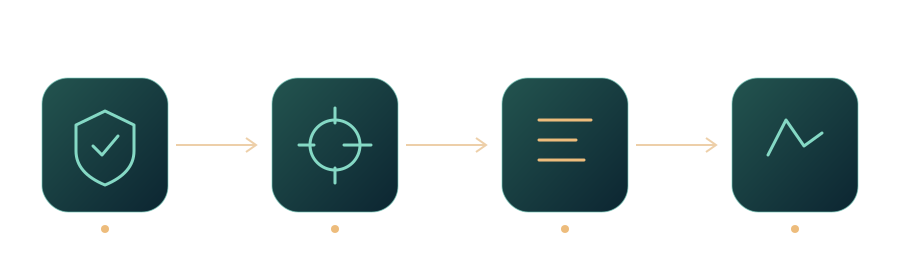
Workflow at a glance
Make changes manageable
Specify what happens when a new source system, language, user role, or document type is requested. A small change in a screen can require a large change in permissions or testing. Keep a change log with impact on fees, schedule, and acceptance cases. This is not a reason to refuse learning; it is a way to preserve a usable experiment while deciding which discoveries deserve another phase.
Separate defects from continued service
Describe the period for correcting agreed defects and the separate terms for new features, provider changes, monitoring, and staff support. Do not imply unlimited maintenance inside a setup fee. Ask both parties to identify their operational contact. The proposal becomes more useful when it explains how the customer will use and own the solution after acceptance, not merely when development work ends.
Review the proposal as an operator
Ask an operator to explain what they would receive, what they must provide, and how they would report a defect. If the answers rely on assumptions absent from the proposal, add them. Keep the commercial document readable enough for that person to use. A precise technical appendix can support it, but should not be the only place that defines responsibility for an ordinary failed task.
Sources and further reading
- AI RMF CoreAI RMF CoreNIST · Documentation ·
- Copilot Success Kit for Small and Medium BusinessCopilot Success Kit for Small and Medium BusinessMicrosoft · Documentation ·
Editorial approach
AI-assisted original writing, checked against linked public sources. Practical recommendations and illustrative scenarios are editorial analysis, not reported client results. Source dates and product details may differ from this collection’s preparation date.