
Strategy · Analysis
Write an AI success story that a customer can trust
Explain scope, evidence, and limits instead of presenting an exceptional example as a universal promise.

Name what changed
Describe the original workflow, the intervention, the user group, and the observation period. Distinguish a concept demonstration, a pilot, and an operating customer system. Those are different kinds of evidence. NIST’s framework emphasizes context, and our editorial recommendation is to make that context visible in every case description so readers can judge whether their own work resembles the reported situation.
Separate measured and estimated benefits
Label observed task times, reported staff opinions, and projected annual effects separately. Do not present a staff estimate as a measured saving. Explain whether review, correction, and support were included. In an illustrative case, a faster first draft may coexist with unchanged total handling time. Reporting that tension can make the story more useful than a cleaner narrative that removes every inconvenient detail.
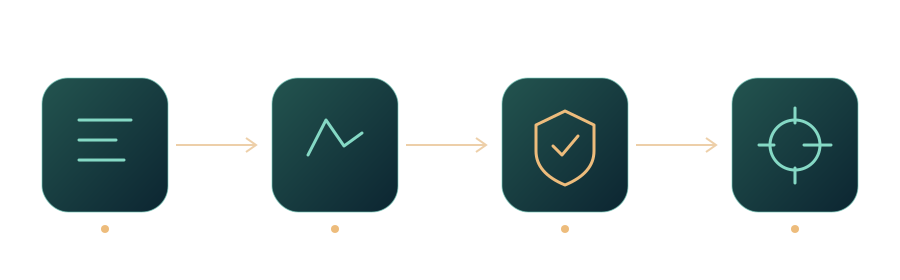
Workflow at a glance
Show boundaries and permission
Obtain permission for customer names, quotations, screenshots, and confidential process details before publication. If the example is synthetic, say so clearly and avoid realistic names that could imply a relationship. Describe important exclusions and remaining manual work. A reader should never need to inspect fine print to discover that the impressive dashboard is fictional or that the claimed automation still depends on unmentioned human review.
Make the story useful for decisions
End with the conditions under which another business should investigate a similar workflow, plus questions it should ask first. Do not copy a vendor’s outcome promise into your own service page. An honest case study can say that the approach was unsuitable for some tasks. The most durable marketing asset is a reader who understands the fit and trusts the judgment, rather than a headline that briefly maximizes excitement.
A publication evidence sheet
Before publishing, keep a private sheet linking each public statement to an observation, estimate, permission, or source. Remove claims that have no support, and retain the limitations that affect interpretation. Ask a reader outside the project to explain what they think the case promises. If that interpretation exceeds the evidence, revise the wording before the story becomes part of a sales conversation.
Sources and further reading
- AI RMF CoreAI RMF CoreNIST · Documentation ·
- NIST AI RMF Playbook FAQsNIST AI RMF Playbook FAQsNIST · Documentation ·
Editorial approach
AI-assisted original writing, checked against linked public sources. Practical recommendations and illustrative scenarios are editorial analysis, not reported client results. Source dates and product details may differ from this collection’s preparation date.