
Integration · Guide
Retry an AI workflow without creating another order
A proposed operation ledger separates business intent from network attempts.

The business question comes first
In an illustrative order-intake pilot, the worker creates an order but loses the response. A fresh model run can suggest another creation, although the customer requested only one order. Our recommendation is to assign the business operation an identifier before inference and preserve it through retries. Two identical orders may genuinely be requested, so matching the text or amount alone is an unreliable expression of intent.
Use a ledger, not a memory
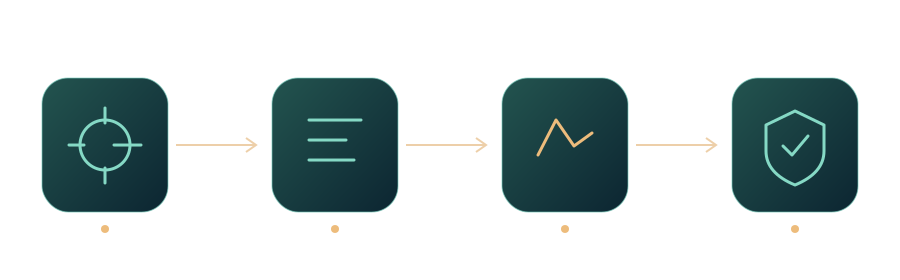
Keep a small operation ledger with the tenant, intent identifier, validated parameters, state, and external record identifier. A proposed state sequence is prepared, submitted, confirmed, or uncertain. Reserve the identifier atomically with the local change where possible. If parameters differ under the same identifier, stop for investigation rather than silently treating the second request as equivalent. Keep credentials and unnecessary personal details out of this ledger.
Workflow at a glance
Reconcile the uncertain state
If the destination supports idempotency, map the operation identifier to that contract and check its retention rules. Otherwise use a stable external reference and a reconciliation query before resending. This does not create a universal exactly-once guarantee: a destination without unique references may still need manual confirmation. Present uncertainty honestly in the staff interface so a second employee does not independently repeat the same action.
Test the uncomfortable boundary
Test response loss after a successful write, simultaneous submissions, delayed retries, and identifier reuse with changed parameters. Count duplicate business records and unresolved operations, not just successful HTTP responses. AWS and Stripe describe idempotent API patterns; this article proposes how to apply that idea to a small-business AI workflow. Acceptance should include an owner and a time limit for resolving uncertain results.
A one-page acceptance record
For the order pilot, keep a table of operation identity, first submission, simulated failure, observed external order count, and resolution owner. Review it with the customer. Add a case in which two intentionally identical orders must both be accepted; preventing duplicates should not suppress legitimate business intent.
Sources and further reading
- Making retries safe with idempotent APIsMaking retries safe with idempotent APIsAWS · Documentation ·
- Idempotent requestsIdempotent requestsStripe · Documentation ·
Editorial approach
AI-assisted original writing, checked against linked public sources. Practical recommendations and illustrative scenarios are editorial analysis, not reported client results. Source dates and product details may differ from this collection’s preparation date.