
Security · Guide
Test disconnect before connecting the next AI integration
OAuth onboarding needs an equally deliberate offboarding path.

The forgotten half of onboarding
A successful authorization screen is only the start of an integration’s life. In an illustrative sales assistant, the employee who connected the mailbox may later leave while background jobs continue. Before launch, name who owns the connection: a person, a team service identity, or the customer administrator. Record the intended data scope and identify who can disconnect it without asking the original employee to return.
Use a connection inventory
Maintain an inventory of integration owner, provider, granted scopes, last successful use, and dependent workflows. Do not include raw tokens. Use short-lived access and appropriate refresh handling for the provider rather than a permanent shared credential. RFC 9700 is the security reference for OAuth design; the inventory proposed here makes the resulting permissions understandable to the small-business operator.
Workflow at a glance
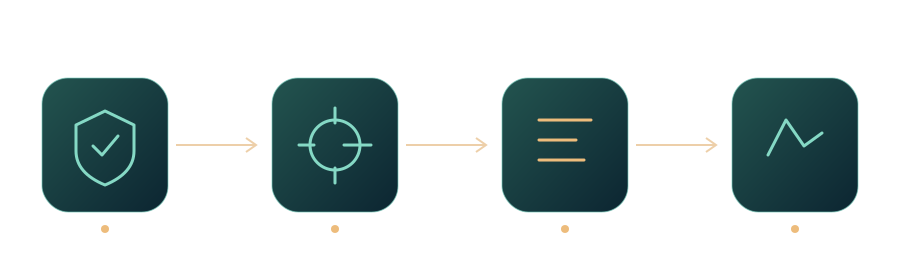
Disconnect must reach the queue
A disconnect action should stop future jobs, mark queued work as blocked, and prevent a retry from using an old connection snapshot. Decide how already fetched content and generated drafts are handled under the agreed retention policy. Revoking a provider token and deleting local copies are different operations. Explain that distinction in customer-facing settings so users do not infer deletion from a disconnected badge.
Rehearse with a test account
Rehearse an expired grant, a withdrawn grant, a removed employee, and a customer-wide disconnect. Watch whether blocked work surfaces to an owner rather than retrying forever. Reconnect with narrower permissions and verify that only authorized jobs resume. Provider behavior differs, so use the current documentation for the selected platform. Passing this exercise demonstrates a controlled lifecycle, not a general certification of privacy or legal compliance.
A departure checklist
Add integrations to the employee departure checklist alongside application accounts. Ask a customer administrator to demonstrate ownership transfer and a company-wide stop using a test identity. Record paused jobs and retained information. This exposes organizational dependencies that a successful authorization test cannot reveal.
Sources and further reading
- RFC 9700: Best Current Practice for OAuth 2.0 SecurityRFC 9700: Best Current Practice for OAuth 2.0 SecurityIETF · Documentation ·
- Authorization Cheat SheetAuthorization Cheat SheetOWASP · Documentation ·
Editorial approach
AI-assisted original writing, checked against linked public sources. Practical recommendations and illustrative scenarios are editorial analysis, not reported client results. Source dates and product details may differ from this collection’s preparation date.