
Adoption · Video
Watch the NIST AI risk explainer with a real workflow in hand
Turn an official introductory video into a focused team discussion.

Choose the right role for a video
NIST publishes an official explainer introducing its AI Risk Management Framework. Use the original page for viewing rather than circulating copied clips or an unofficial transcript. The video can establish shared vocabulary, but it does not evaluate your workflow. This article proposes a workshop format around it; the format is our editorial recommendation, not a NIST certification program or a substitute for reading the relevant framework material.
Bring one concrete task
Before watching, select one proposed use case and write its input, output, affected people, and owner. An illustrative team might choose a client-summary draft, not all future AI applications. Ask each participant to bring one concern from their role. A reviewer may worry about unsupported details, while an administrator may worry about access. Both concerns belong in the discussion even when the demonstration looks straightforward.
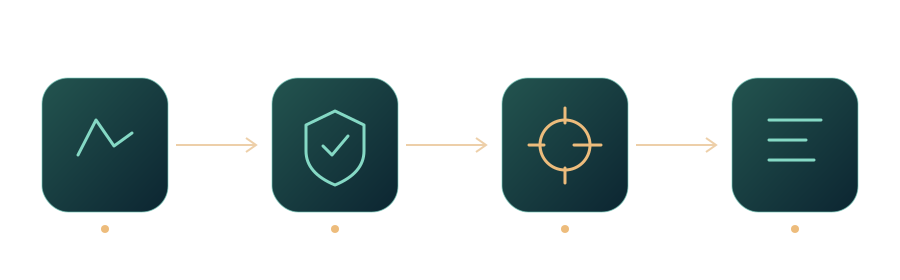
Workflow at a glance
Translate vocabulary into decisions
After viewing, avoid a memory quiz. Ask what needs to be understood before the pilot, what evidence would change the decision, and who can stop an unsuitable use. Write open questions rather than trying to close everything in the meeting. NIST’s framework is adaptable to context; a practical small-team session should identify the next few relevant actions instead of adopting every possible control without prioritization.
Leave with ownership
Produce a short action note: owner, evidence needed, due date, and the decision it informs. Share the official video link with absent colleagues and summarize your own decisions separately from the source’s content. Revisit the note after a pilot or scope change. The useful result is a shared operating understanding, not a claim that attending one video session made the organization trustworthy or compliant.
A viewing worksheet
Use a worksheet with four fields: the proposed use, people affected, evidence still missing, and the next owner. Let participants fill it before and after viewing. Compare what became clearer and what remains uncertain. Keep the worksheet as your organization’s interpretation, separate from the video itself. This makes the session useful even when no immediate implementation is approved.
Sources and further reading
- Introduction to the NIST AI Risk Management Framework: An Explainer VideoIntroduction to the NIST AI Risk Management Framework: An Explainer VideoNIST · Video source ·
- AI RMF CoreAI RMF CoreNIST · Documentation ·
Editorial approach
AI-assisted original writing, checked against linked public sources. Practical recommendations and illustrative scenarios are editorial analysis, not reported client results. Source dates and product details may differ from this collection’s preparation date.