
Security · Guide
Delete the copies you created, not only the uploaded file
Map AI-derived artifacts before promising a retention or deletion policy.

AI makes more than an answer
An illustrative document assistant creates an uploaded PDF, OCR text, page images, search chunks, a summary, and diagnostic samples. Deleting the original leaves several useful but sensitive copies. Start a retention map with every artifact type, its owner, storage location, purpose, and expiry trigger. Include failed jobs and temporary processing directories, because successful-path cleanup may never reach them.
Choose expiry by purpose
Keep an intake document only as long as the agreed business purpose requires, while a minimal audit record may follow a different policy. S3 lifecycle rules provide storage mechanisms, not the business decision about retention. Distinguish active records, backups, caches, and vendor-held content. A single delete button should explain its scope rather than imply that every provider and backup instantly erased all related data.
Workflow at a glance
Propagate deletion through references
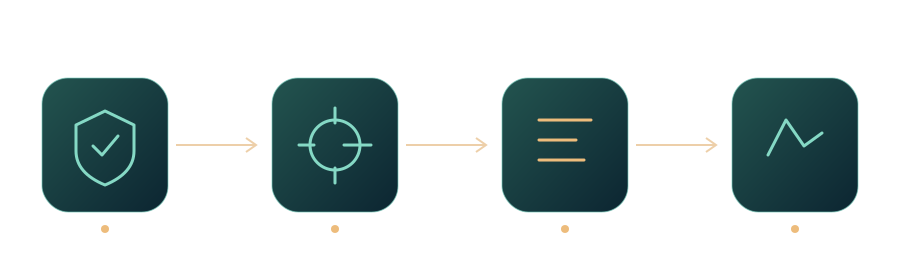
Link each derived artifact to its source record and tenant. A proposed deletion job resolves those references, checks for an authorized hold, removes eligible copies, and reports unresolved locations. Prevent a delayed extraction worker from recreating deleted content afterward. Use tombstone or cancellation checks appropriate to the architecture. Test deletion during processing, after indexing, and after restoring a backup into an isolated environment.
Report the boundary honestly
Give an operator a completion record listing categories processed, exceptions, and expected backup expiry without exposing document contents. Review orphan artifacts periodically. Retention requirements may depend on contracts and applicable law, so confirm them with appropriate advisers rather than copying a universal duration from this article. The operational goal is a traceable, enforceable policy whose limits the customer can understand.
Give deletion a test fixture
Create a synthetic source with identifiable derivatives and run deletion in staging. Search registered locations and explain retained exceptions. Repeat after failed processing and backup restoration. Also check that later indexing cannot recreate deleted content, turning a policy claim into observable evidence without experimenting on live records.
Sources and further reading
- Managing the lifecycle of objectsManaging the lifecycle of objectsAWS · Documentation ·
- File Upload Cheat SheetFile Upload Cheat SheetOWASP · Documentation ·
Editorial approach
AI-assisted original writing, checked against linked public sources. Practical recommendations and illustrative scenarios are editorial analysis, not reported client results. Source dates and product details may differ from this collection’s preparation date.