
Security · Research
Use NIST incident-response guidance to rehearse one AI mistake
Translate a broad incident framework into a small, concrete business exercise.

A framework becomes useful through a scenario
NIST published SP 800-61 Revision 3 in April 2025, connecting incident response with cybersecurity risk management. For a small AI project, reading the publication is only a starting point. Choose one plausible scenario: an assistant sends a draft to the wrong recipient, a connector behaves unexpectedly, or a document crosses a customer boundary. This article proposes a rehearsal, not a legal interpretation or a claim of NIST certification.
Name the first safe actions
Write who can pause the affected workflow, revoke a connection, preserve evidence, and contact the customer owner. Use a synthetic incident so the exercise does not cause a real disclosure. Distinguish containment from cleanup: deleting logs too early can remove the evidence needed to understand scope. Give the responder a read-only diagnostic view and an escalation contact rather than assuming the original developer is always available.
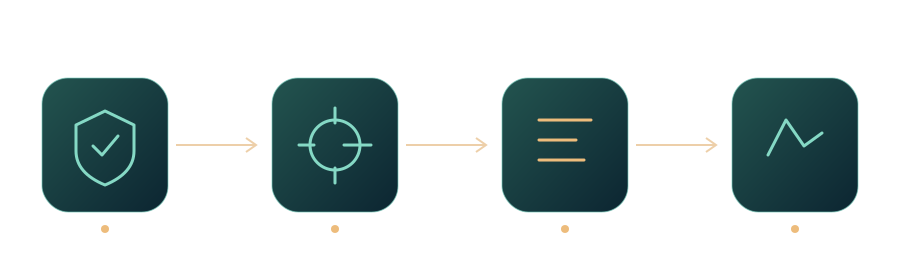
Workflow at a glance
Track uncertainty explicitly
Maintain a timeline separating confirmed facts, hypotheses, and unresolved questions. Record which requests, recipients, and data categories might be involved without circulating the raw documents widely. Decide how to reconcile external actions and whether affected jobs should remain paused. Customer notification and legal duties depend on the circumstances and applicable requirements, so involve the appropriate responsible advisers instead of letting an agent invent a response deadline.
Turn recovery into a release decision
Before resuming, verify the failed control is addressed, test the corrected path, and check pending work for duplicates or stale approvals. Hold a short review focused on system conditions rather than blaming the operator. Update the permission model, monitoring, or runbook with an owner and due date. A rehearsal cannot cover every incident, but it can show whether the team knows how to stop, investigate, communicate, and safely restart this workflow.
A tabletop session with a clock
Record when a tabletop team notices the issue, finds an owner, pauses work, and explains known scope. Score unsafe guesses and missing information as well as elapsed time. Choose a few improvements with deadlines, then repeat the exercise to learn whether those changes actually helped.
Sources and further reading
- NIST SP 800-61 Rev. 3: Incident Response Recommendations and Considerations for Cybersecurity Risk ManagementNIST SP 800-61 Rev. 3: Incident Response Recommendations and Considerations for Cybersecurity Risk ManagementNIST · Research source ·
- Logging Cheat SheetLogging Cheat SheetOWASP · Documentation ·
Editorial approach
AI-assisted original writing, checked against linked public sources. Practical recommendations and illustrative scenarios are editorial analysis, not reported client results. Source dates and product details may differ from this collection’s preparation date.