
Adoption · Guide
Bilingual AI adoption needs more than translated buttons
Plan terminology, review, and handoffs for the people doing the work.

Separate the language layers
Distinguish interface language, working instructions, source documents, and final customer output. A Chinese-speaking employee may prepare an English client response using bilingual records. Do not assume one language selection should control every layer. OECD workforce research provides context on skills needs; our design recommendation is to map the actual language journey before deciding which screens and documents require localization.
Create a shared term sheet
List business terms that cannot drift: service names, document types, statuses, obligations, and escalation labels. Include regional expressions where the audience needs them, but retain stable internal identifiers. In an illustrative service queue, an English completed status and its Chinese presentation should point to the same business state. Translation should not silently change whether the work is finished, reviewed, or merely awaiting someone else.
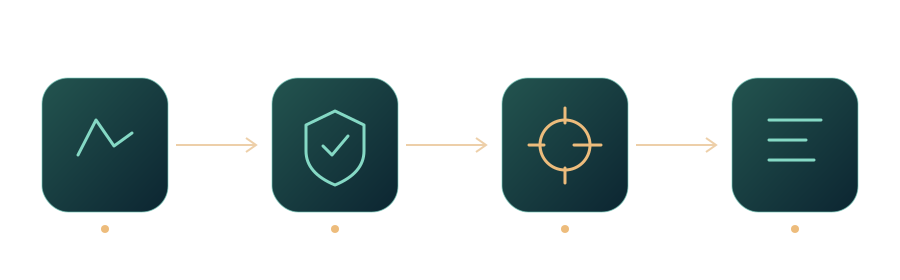
Workflow at a glance
Review meaning with actual users
Test translated examples with staff who perform the task, including ambiguous dates, names, and units. Ask reviewers to explain the action they think a message requests. A fluent sentence can still imply the wrong deadline or approval authority. Keep a way to view the source wording where helpful, and define who resolves disagreements rather than allowing each employee to invent a personal translation convention.
Train exception handling in both languages
Practice what happens when source information is missing or a translation is uncertain. The safe action may be to ask a clarification question, preserve the original, or route to a qualified reviewer. Include these paths in both language versions of job aids. Measure whether teams can complete the same work consistently, not whether every sentence has been translated or whether users prefer one language’s visual appearance.
A bilingual acceptance exercise
Give two staff members the same request in different languages and ask them to identify the required action, owner, and completion condition. Compare interpretations, not literary preferences. Resolve differences in the term sheet before automating the next handoff. This exercise can reveal a translation problem, but it can also uncover an ambiguous business rule that existed long before AI was introduced.
Sources and further reading
Editorial approach
AI-assisted original writing, checked against linked public sources. Practical recommendations and illustrative scenarios are editorial analysis, not reported client results. Source dates and product details may differ from this collection’s preparation date.