
Security · Guide
Review the container build, not only the AI-generated code
An apparently clean application can still ship credentials inside its build artifacts.
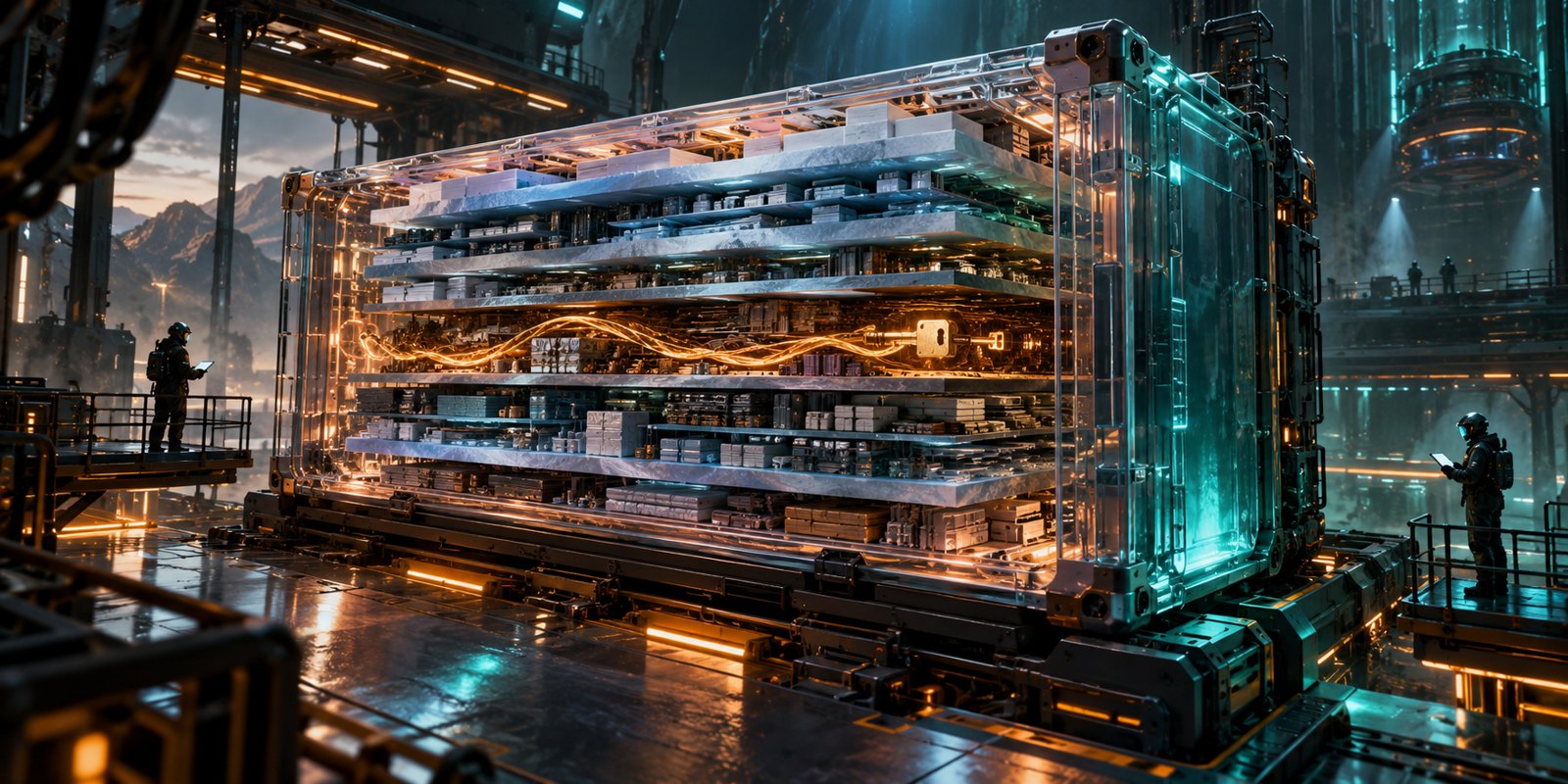
The hidden delivery artifact
An illustrative AI-generated app passes functional tests, yet its build process downloads private packages using a credential supplied as a build argument. Reviewing only the application files misses a different boundary: what enters the image and what remains in its layers. Ask for a build-input inventory containing source, package registries, generated files, and secrets. The artifact delivered to production deserves its own review.
Keep secrets temporary
Docker documents secret mounts for build-time access. Use the mechanism appropriate to the builder instead of treating ordinary arguments as a secret channel. Keep package retrieval credentials separate from runtime application credentials. Also examine install scripts and generated logs: a temporary mount cannot protect a value that a build step deliberately copies elsewhere. Our recommendation is to use minimal, narrowly scoped credentials for each stage.
Workflow at a glance
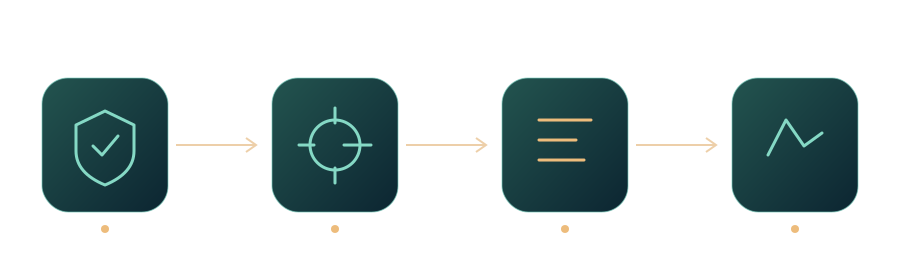
Inspect a reproducible release
Produce the image through the controlled release pipeline and identify it by a digest. Scan for known secret patterns and inspect the file manifest for unexpected archives, local configuration, or customer documents. Use dummy credentials in an exercise to confirm that the scanner catches a deliberately misplaced value. Scanning is a useful check, not proof of absence; combine it with an intentionally small build context and code review of build steps.
Handover includes rebuilding
Agree who can rebuild after a dependency update and where approved credentials are obtained. A customer should not need the original developer’s laptop to reproduce a release. Document what is intentionally excluded and how a compromised build credential is revoked. This makes AI-assisted development more maintainable while preserving a clear limit: a clean build does not validate the application’s business logic or authorization design.
Check the delivered package
Inspect archives, container images, and support bundles separately. A clean image does not make a workspace ZIP safe. Verify the actual delivery against a manifest of permitted assets and required runtime files. Preserve that manifest so future rebuilds follow the same deliberate inclusion rules.
Sources and further reading
- Build secretsBuild secretsDocker · Documentation ·
- Using secrets in GitHub ActionsUsing secrets in GitHub ActionsGitHub · Documentation ·
Editorial approach
AI-assisted original writing, checked against linked public sources. Practical recommendations and illustrative scenarios are editorial analysis, not reported client results. Source dates and product details may differ from this collection’s preparation date.